

April 2011
Philadelphia Orchestra Files for Bankruptcy
The Philadelphia Orchestra filed for Chapter 11 bankruptcy protection in April 2011, becoming the first major American orchestra to do so amid mounting financial pressures.

A collection of classical music news stories that received coverage in The New York Times, spanning orchestra finances, artist announcements, and major performances.
The world of classical music remains a vibrant and evolving landscape, where centuries-old traditions meet the pressing concerns of today. Across major orchestras and intimate chamber ensembles alike, conversations around funding, audience development, and artistic relevance continue to shape the direction of the art form. From the boardrooms of prominent symphony organizations to the rehearsal halls of emerging ensembles, leaders are grappling with how to honor the legacy of composers like Beethoven while inviting new listeners into the fold. These discussions are not merely academic; they carry real implications for concert programming, educational outreach, and the long-term sustainability of institutions that have long stood as cultural cornerstones in their communities.
The business of classical music has never been more dynamic or more challenging. Orchestras and opera companies across the country face familiar pressures: balancing ambitious artistic programming against tightening budgets, navigating labor negotiations, and finding innovative ways to connect with audiences whose entertainment habits have shifted dramatically. Yet amid these difficulties, there are encouraging signs of resilience and reinvention. Organizations are exploring new concert formats, digital streaming initiatives, and collaborative partnerships that expand the reach of classical repertoire. These efforts reflect a broader understanding that the survival of this music depends not only on preserving masterworks but also on creating meaningful entry points for those who have yet to discover the power of a live orchestral experience.
Behind every great performance lies a remarkable instrument, and few objects in the world of classical music inspire as much fascination as the fine violins crafted in the workshops of centuries past. The stories of these instruments, from the hands that built them to the musicians who have played them across generations, form a rich tapestry of history and craftsmanship. Museums and private collections hold hundreds of these treasures, each with its own journey through time. The ongoing study and preservation of such instruments offer invaluable insight into the technical mastery of earlier eras, while also reminding us that the art of music is fundamentally a collaboration between human creativity and the materials that give it voice.
The relationship between classical music institutions and the communities they serve continues to evolve in meaningful ways. Educational programs, once considered secondary to the main stage season, now occupy a central role in the mission statements of many organizations. These initiatives range from youth orchestra programs that provide instruments and instruction to school partnerships that integrate music into broader curricula. The goal is not simply to cultivate future performers, but to foster lifelong appreciation and engagement with the arts. As demographics shift and cultural landscapes change, the ability of classical music organizations to reflect and serve their communities will determine their relevance for generations to come.
The Philadelphia Orchestra filed for Chapter 11 bankruptcy protection in April 2011, becoming the first major American orchestra to do so amid mounting financial pressures.

Renée Fleming announced plans to release an alternative rock cover album, with a lighthearted note that she was "starts shopping at Hot Topic" for the project.
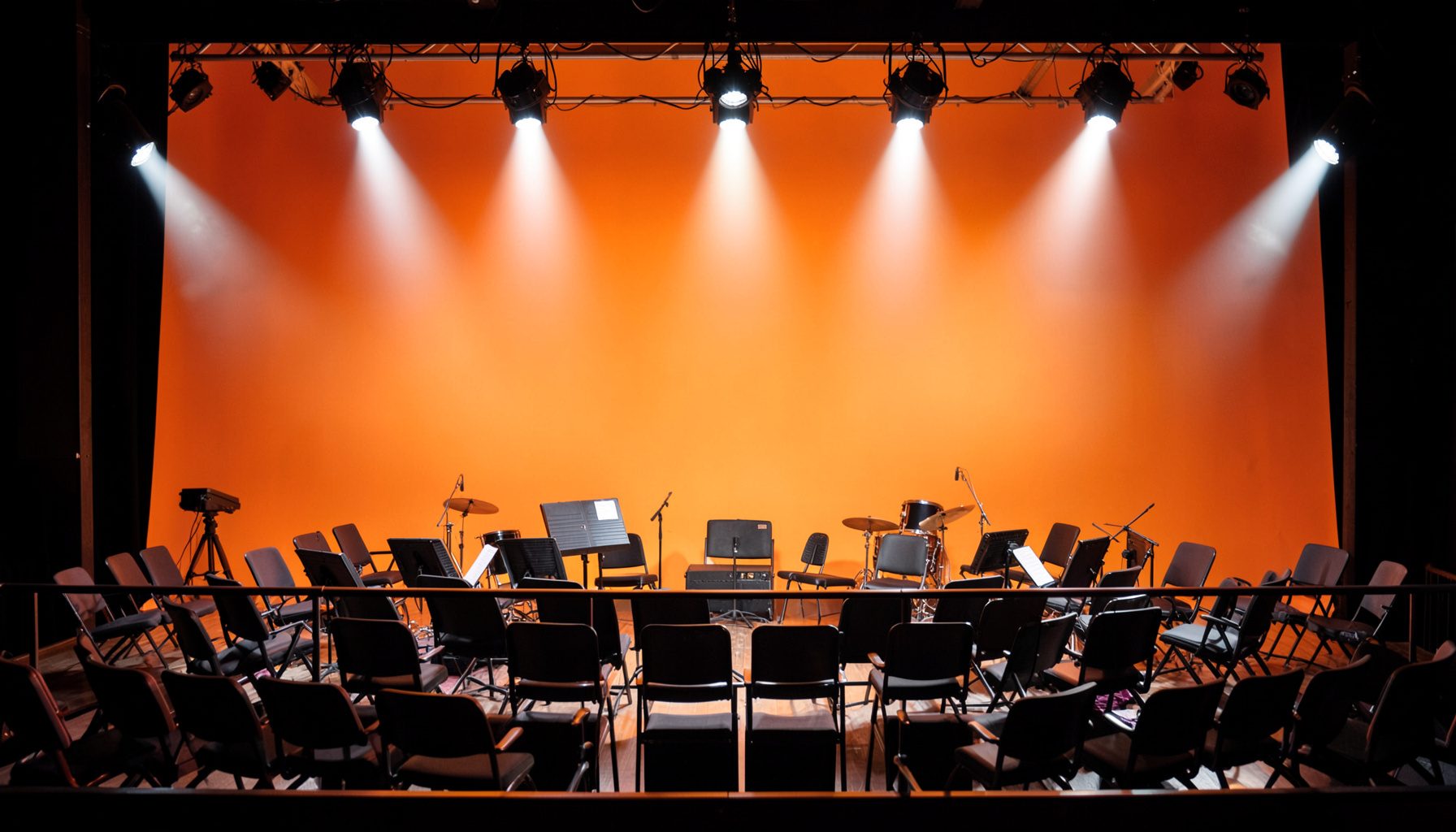
Gustavo Dudamel and the Los Angeles Philharmonic brought their celebrated partnership to East Coast audiences in a highly anticipated tour covered by The New York Times.
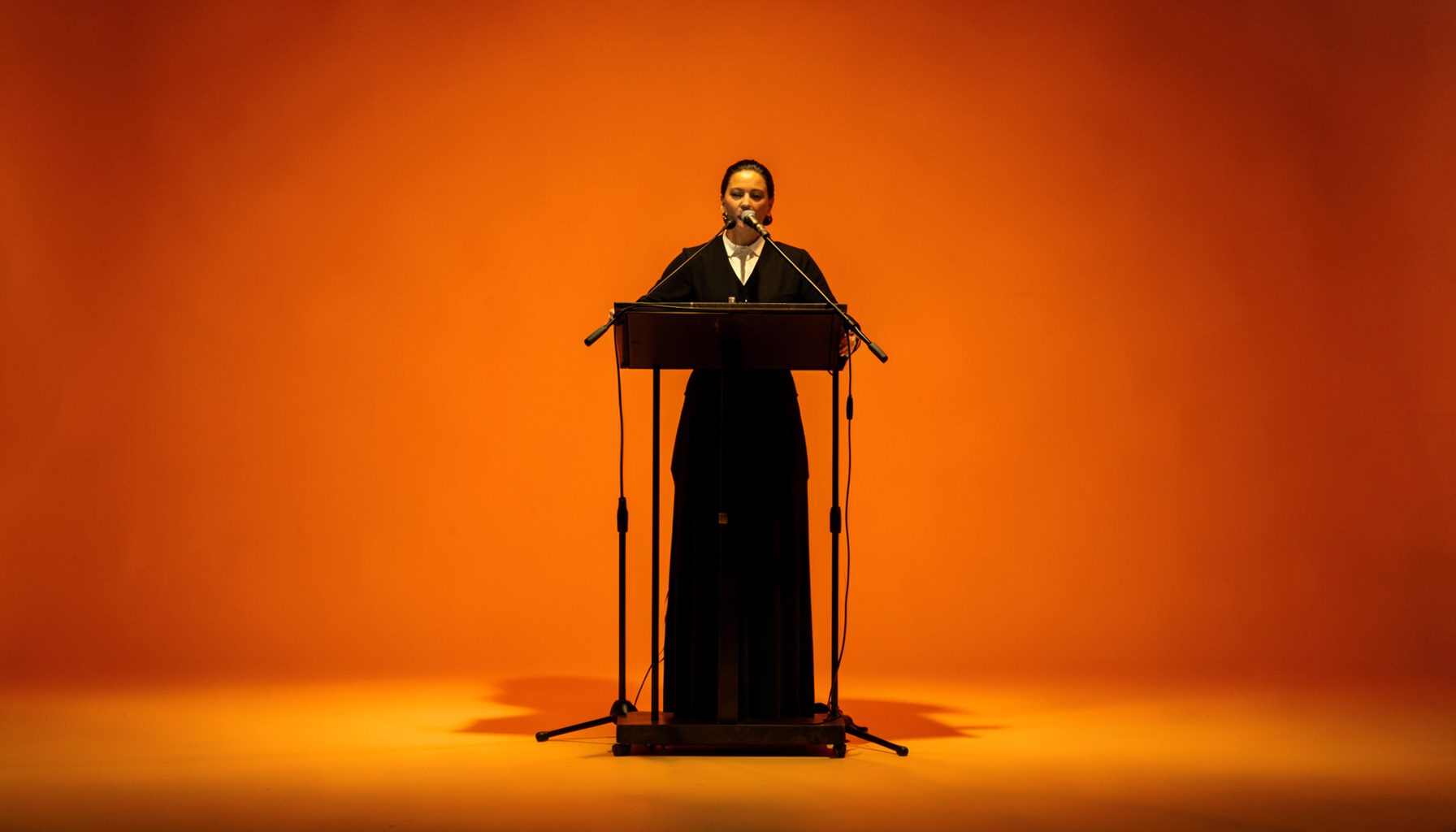
James Levine returned to conduct the Boston Symphony Orchestra following spinal surgery, marking a significant moment for the ensemble and its music director.