Contact Us
Send a message to The Sound Post about news, editorials, reviews, or the music blogs we list.
Send a message
Use the form to share a note, a story idea, or a question about coverage of the modern world of classical music.
Listing other music blogs
The Sound Post keeps a short list of music blogs. If you write about classical music and would like your blog considered for that list, send the address and a line about what you publish through the contact form.
Partner blogs already linked from the site include Cerebroom and Color In My Piano.

Follow and explore
Updates are also shared on Twitter at @thesoundpost. For interviews and longer pieces, browse the exclusive video interviews and the features.
Classical music journalism has long served as a bridge between artists and audiences, offering context and insight that deepens appreciation for the art form. In an age of rapid digital consumption, thoughtful editorial coverage helps preserve the nuance and tradition that make orchestral and operatic performances so meaningful. Readers who follow classical music news gain access to behind-the-scenes perspectives on repertoire choices, conductor interpretations, and the evolving role of symphony orchestras in modern society. This kind of informed commentary enriches the concert experience, whether one is a seasoned patron or a newcomer discovering the power of a live performance for the first time.
The world of classical music is sustained by a vibrant ecosystem of organizations, from major metropolitan orchestras to intimate chamber ensembles and educational foundations. These institutions work tirelessly to program seasons that balance beloved masterworks with adventurous contemporary compositions. Behind every performance lies months of planning, fundraising, and community outreach. The financial health of these organizations often depends on the generosity of donors, the commitment of board members, and the enthusiasm of local audiences. Understanding the business side of classical music helps listeners appreciate the dedication required to keep concert halls filled and musicians employed across the country.
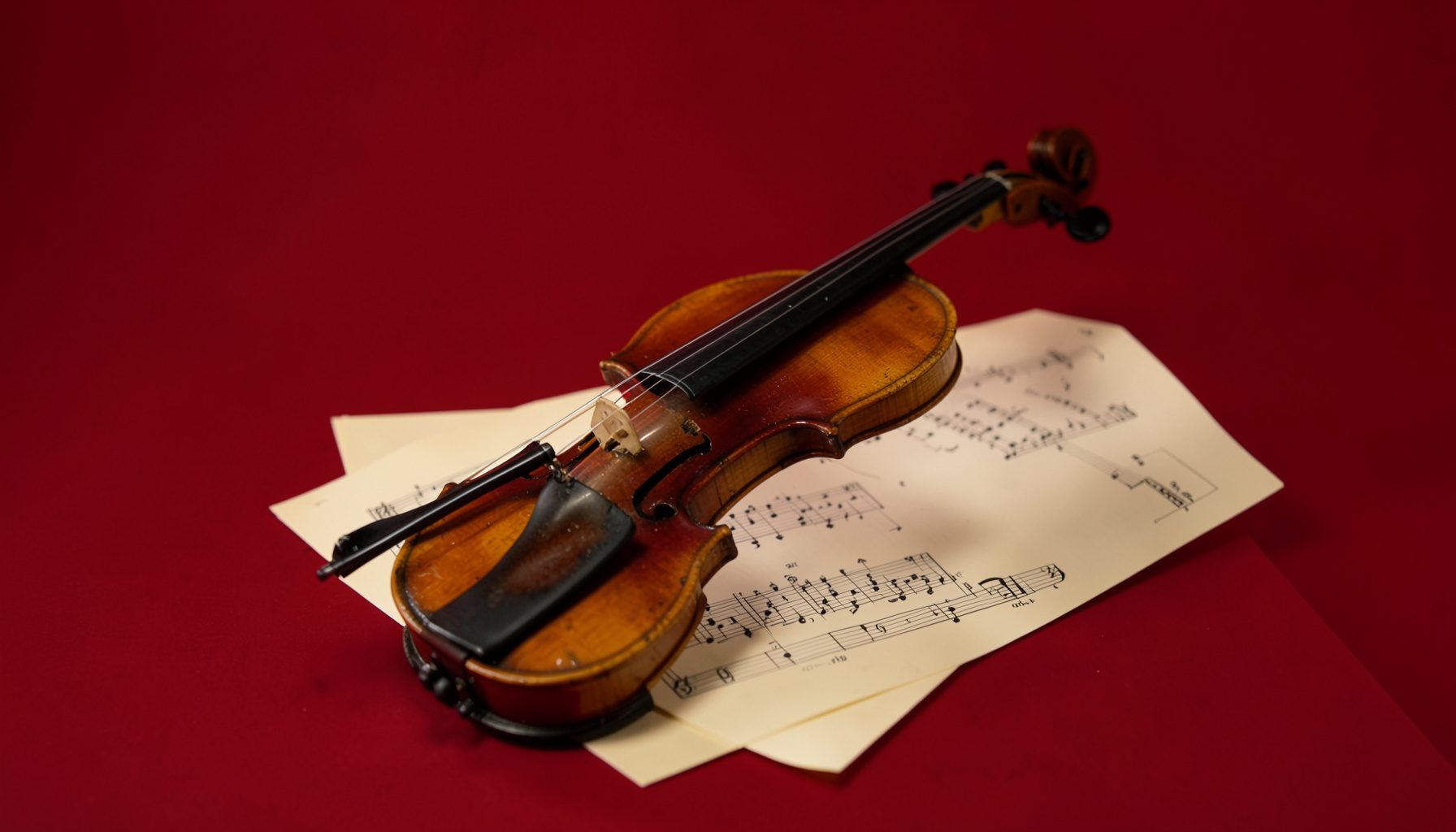
Instrument making represents one of classical music's most treasured crafts, with centuries of tradition embodied in the work of luthiers and bow makers. The finest violins, cellos, and pianos are not merely tools but works of art that carry their own histories and sonic personalities. Museums and private collections preserve rare instruments that might otherwise be lost to time, while contemporary makers continue to refine their techniques using both time-honored methods and modern innovations. The relationship between a musician and their instrument is deeply personal, and stories about remarkable instruments often captivate audiences as much as the music itself.
Opera remains one of the most immersive and emotionally powerful forms of musical storytelling, combining orchestral music with vocal artistry, drama, and often elaborate staging. Companies around the world continue to find fresh ways to present classic works while commissioning new operas that speak to contemporary audiences. The challenges facing opera today include attracting younger listeners, managing production costs, and balancing tradition with innovation. Yet the art form endures because of its unique ability to convey profound human emotion through the combination of text and music, creating experiences that resonate long after the final curtain falls.
The classical music community extends far beyond the concert hall, reaching into classrooms, community centers, and digital platforms where new generations discover orchestral and chural works. Educational programs offered by symphony organizations introduce young people to instruments, music theory, and the joy of ensemble playing. These initiatives ensure that the repertoire built over centuries continues to find new ears and new interpreters. The future of classical music depends on this steady cultivation of curiosity and skill, as well as on the willingness of established institutions to embrace diverse voices and fresh perspectives that keep the art form vital and relevant.