Editorial: The Classical Misconception
An editorial examining a common assumption about classical music and the audience it is said to serve.
Read in the Archive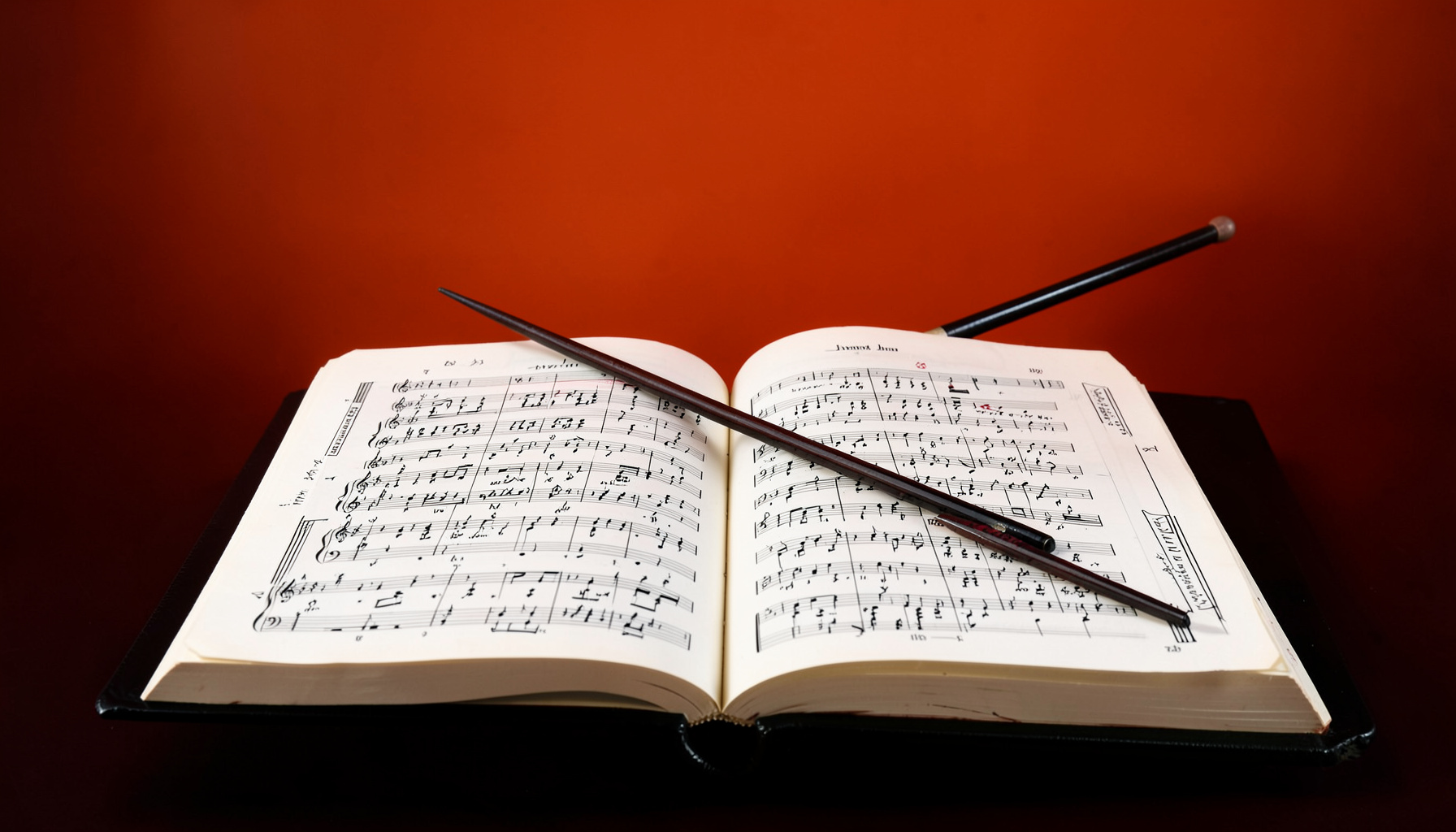
In-depth articles, industry commentary, and cultural writing from The Sound Post.
Longer-form pieces that look past the concert listing to the questions shaping the field.
An editorial examining a common assumption about classical music and the audience it is said to serve.
Read in the ArchiveA feature on a knotty problem in the classical music world and the thinking that surrounds it.
Read in the ArchiveCoverage of the January 2012 ruling and what it meant for works entering and leaving the public domain.
Read in the ArchiveFeatures on The Sound Post range across the industry and the culture around it — from editorial argument to reporting on the decisions that change how music reaches listeners.
The classical music world is often misunderstood as an exclusive realm reserved for a select few, but the reality is far more dynamic and welcoming. Across the globe, orchestras and opera houses are finding surprising new ways to connect with audiences who may never have set foot in a concert hall. From community outreach programs to innovative digital performances, the industry is working to dismantle old assumptions about who belongs at a symphony. These efforts reflect a broader recognition that the tradition of classical music is not a fixed monument but a living conversation, one that evolves with each generation of listeners and performers who bring their own perspectives to the stage.
Behind the headlines of budget deficits and organizational restructuring lies a deeper story about the resilience of musical institutions. Many orchestras and arts organizations have faced significant financial pressures in recent years, yet they continue to adapt with creative solutions that prioritize artistic integrity. The challenge of maintaining a full season of concerts while balancing the books requires careful stewardship and a willingness to rethink long-standing business models. What emerges is a portrait of an art form that refuses to be diminished, finding strength in collaboration and a renewed commitment to the educational and cultural mission that has always sustained it.
The instruments themselves carry stories that span centuries, and few artifacts capture the imagination quite like a fine violin from the golden age of Italian craftsmanship. These remarkable objects are not merely tools for performance but living pieces of history, each with a unique journey through time. Museums and private collections hold hundreds of such treasures, and when they are played in concert, they create a direct link between the present and the past. The ongoing fascination with these instruments speaks to something deeper in the human experience: a desire to touch beauty that has been refined over generations and to share that experience with a live audience.
The role of the conductor has evolved far beyond the stereotype of a solitary figure waving a baton. Today's music directors are expected to be community advocates, educational leaders, and thoughtful interpreters of both the standard repertoire and contemporary works. They navigate complex relationships with musicians, boards, and audiences while championing new compositions that speak to the present moment. This expanded responsibility reflects a broader shift in how classical music positions itself within society, no longer content to simply preserve the past but actively shaping the cultural conversation. The best conductors understand that their art is ultimately about connection, not authority.
Features often grow out of the news stories and interviews published alongside them.
Exclusive video interviews with Gilbert Kalish, Bridgid Bibbens, Susan Waterbury, August Kleinzahler, Jeffery Meyer, and Steven Stucky sit in the Videos section, while monthly selections from 2009 through 2012 can be browsed in the Archive.
Questions, corrections, or a music blog you would like listed? Use the Contact page.