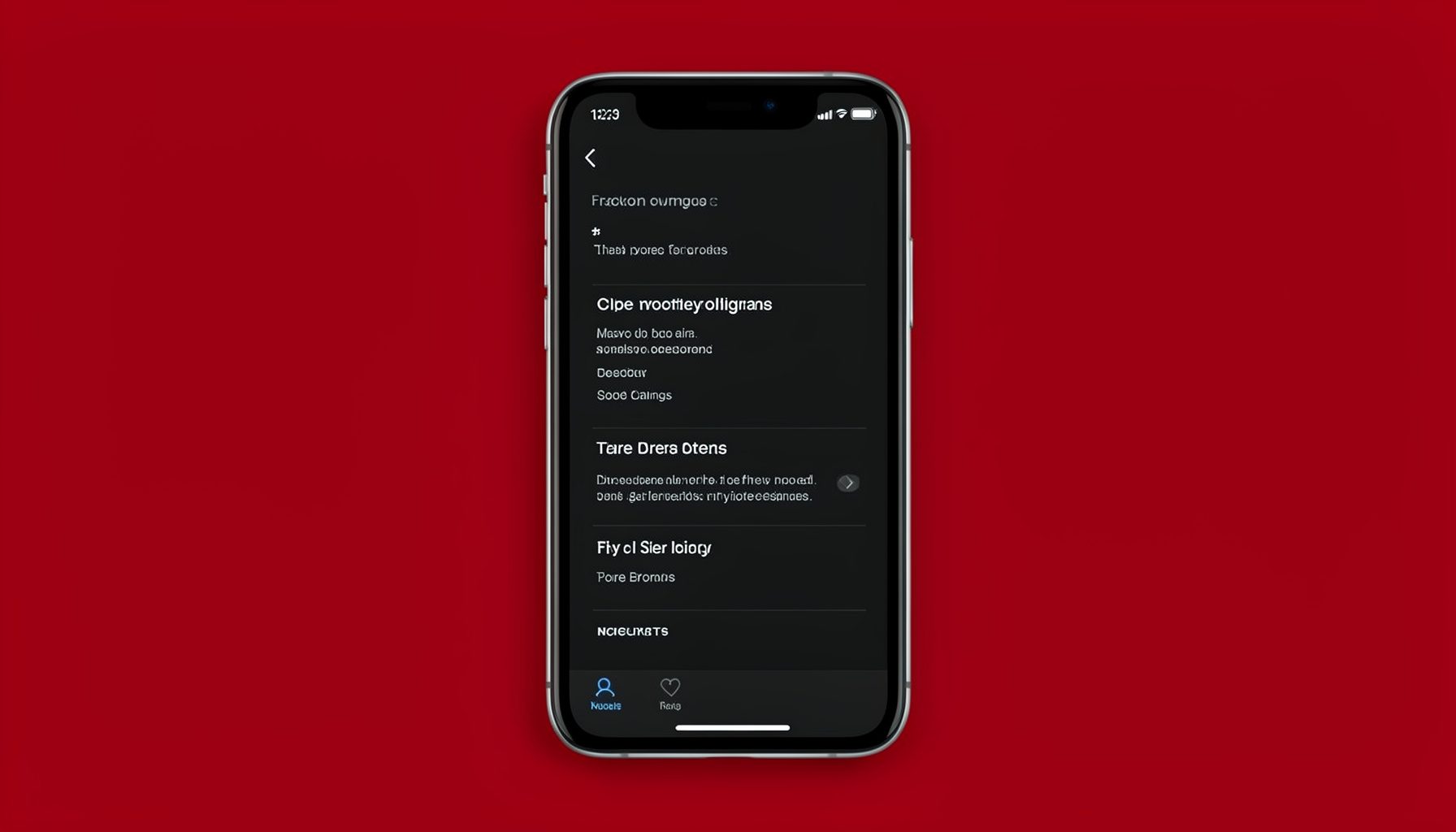
San Diego Symphony Launches iPhone Application
The San Diego Symphony introduced an iPhone application, reported here in October 2009 as part of the orchestra's move onto mobile devices.
More in Features
Articles on where technology meets the concert hall, including the smartphone applications orchestras have built for their listeners.
Read the FeaturesThe Sound Post has followed the arrival of orchestra apps as part of its wider coverage of the modern world of classical music.
Two launches in particular drew attention: the San Diego Symphony's iPhone application and the New York Philharmonic's iPhone application. Both are collected under this tag, alongside related notes on how ensembles put programme information, listening and audience contact into a handheld format.
As smartphones become nearly universal accessories in the concert hall, classical music organizations have embraced mobile applications as a bridge between tradition and technology. These apps allow orchestras to share programme notes, streaming audio, and behind-the-scenes content directly with audiences before, during, and after performances. The convenience of having an entire season's repertoire available in one's pocket has proven appealing to both seasoned subscribers and newcomers exploring classical music for the first time. By meeting listeners where they already spend their time, orchestras are finding creative ways to deepen engagement and build loyalty beyond the concert experience itself.
The development of orchestra-specific applications represents a thoughtful response to changing audience habits in the digital age. Rather than replacing the live concert experience, these tools enhance it by providing contextual information that enriches listening. Users can access curated playlists, read composer notes, and explore upcoming programming with just a few taps. For ensembles navigating budget constraints and shifting attendance patterns, a well-designed app offers a cost-effective channel for communication and marketing. It also opens the door to reaching younger demographics who may not yet consider attending a live orchestral performance but are eager to explore classical repertoire on their own terms.
Beyond the practical features of scheduling and ticketing, classical music apps have begun incorporating educational content that invites deeper exploration of orchestral works. Interactive listening guides, historical context for featured compositions, and artist interviews all contribute to a richer understanding of the music. This digital layer of discovery can transform a casual listener into a devoted fan. As orchestras continue to adapt to a rapidly evolving media landscape, the smartphone app stands out as a versatile tool for storytelling and community building. The intersection of centuries-old repertoire and modern mobile technology may well define how classical music reaches its next generation of audiences.
The San Diego Symphony introduced an iPhone application, reported here in October 2009 as part of the orchestra's move onto mobile devices.
More in FeaturesThe New York Philharmonic followed with an iPhone application of its own, covered on the site as another example of orchestras reaching listeners through phones.
More in FeaturesAn orchestra app is a small thing that changes the shape of a concert-going habit. It can carry a season at a glance, put a programme note in the palm of a hand, and keep an audience in touch between performances.
For a news site devoted to classical music, these releases are worth recording: they show institutions thinking about how their public listens, reads and arrives at the hall.