August 2012
Handel's Messiah: A Glorious History
A look back at the enduring legacy of one of classical music's most celebrated works.
Browse past coverage from The Sound Post, spanning orchestra finances, technology in classical music, artist news, and more. Select a month below to explore articles from that period.
The archive section of The Sound Post offers a rich trove of writing on the world of classical music, stretching back through several vibrant seasons. Here, readers can find reviews of major orchestral performances, thoughtful editorials on the evolving role of symphony organizations, and news about the international concert stage. Browsing these older posts reveals how the classical music landscape has shifted in response to economic pressures, legal challenges, and changing audience expectations. Many entries track the fortunes of renowned ensembles, from budget negotiations to ambitious new projects. Whether you are researching a particular period or simply rediscovering a favorite article, the archive invites you to explore the recent history of this enduring art form.
Among the many threads running through these archived pages is the ongoing conversation about the place of tradition in modern classical music. Writers have examined how venerable institutions balance their historical legacies with the need to reach new and diverse audiences. Articles have discussed the impact of educational outreach programs, the rise of innovative concert formats, and the ways technology has reshaped how listeners engage with orchestral works. The archive also captures moments of crisis and resilience, including financial restructuring, leadership transitions, and the efforts of organizations to remain relevant in a rapidly changing cultural environment. These pieces collectively paint a picture of a field in constant, thoughtful motion.
Instrument enthusiasts and historians alike will find much of interest in the archive's coverage of fine string instruments and their place in the modern concert world. Posts have explored the mystique surrounding legendary makers, the legal disputes that occasionally arise over ownership and provenance, and the remarkable stories of instruments passing through auctions and private collections. The fate of historic violins, cellos, and other instruments often intersects with broader questions of cultural heritage and public access. Readers can trace how these objects move between museums, private hands, and the stages where they continue to be played by today's leading performers, keeping centuries-old craftsmanship alive in contemporary music making.
The archive also documents the global dimension of classical music, with posts covering performances and developments far beyond the traditional European and American centers. Reports have highlighted the growth of orchestras in East Asia, the emergence of new festival circuits, and the cross-border collaborations that define the twenty-first-century classical scene. International tours, government support for the arts, and the exchange of conductors and soloists across continents all appear in these pages. Such coverage reminds readers that classical music is a living, worldwide conversation, shaped by diverse cultures and economies. The Sound Post archive thus serves as a valuable record of how this art form continues to adapt and thrive across borders.
A look back at the enduring legacy of one of classical music's most celebrated works.

The Supreme Court affirmed the right to withdraw certain works from the public domain, with implications for classical recordings.
Opera Boston faced closure in early 2012, marking the end of an era for the city's opera scene.

A look at emerging possibilities for symphonic partnerships crossing national borders.

The New York Philharmonic's digital archives opened a vast window into orchestral history.

A rare Stradivarius instrument was auctioned to raise funds for tsunami relief efforts.

A response to The New Yorker's take on classical music culture and its perceived solemnity.

The Philadelphia Orchestra filed for bankruptcy in April 2011, sending shockwaves through the classical music world.
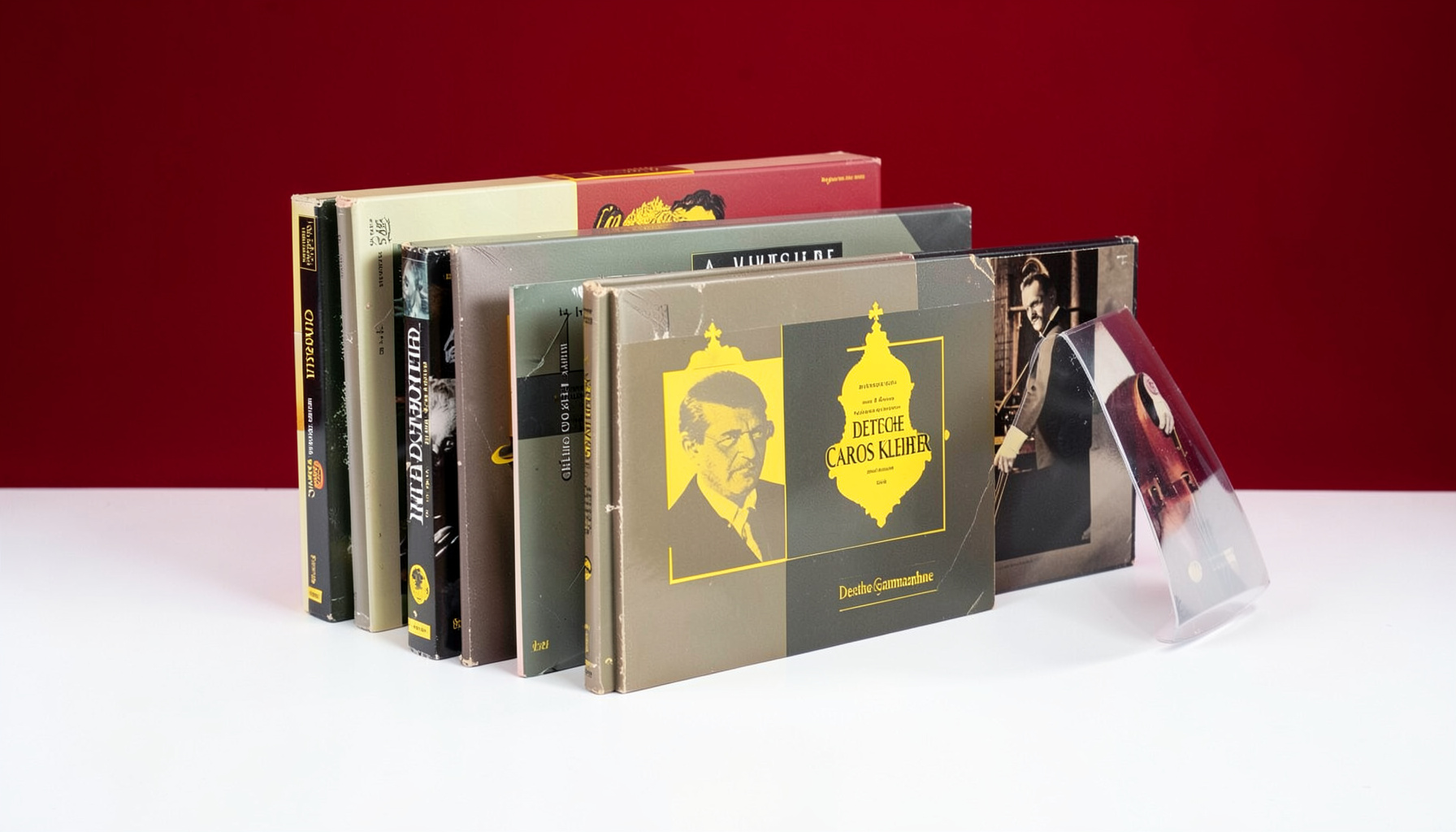
To celebrate what would have been Carlos Kleiber's 80th birthday, Deutsche Grammaphone consolidated his entire discography into one collection.

Renée Fleming announced plans to release an alternative rock cover album, crossing genre boundaries.
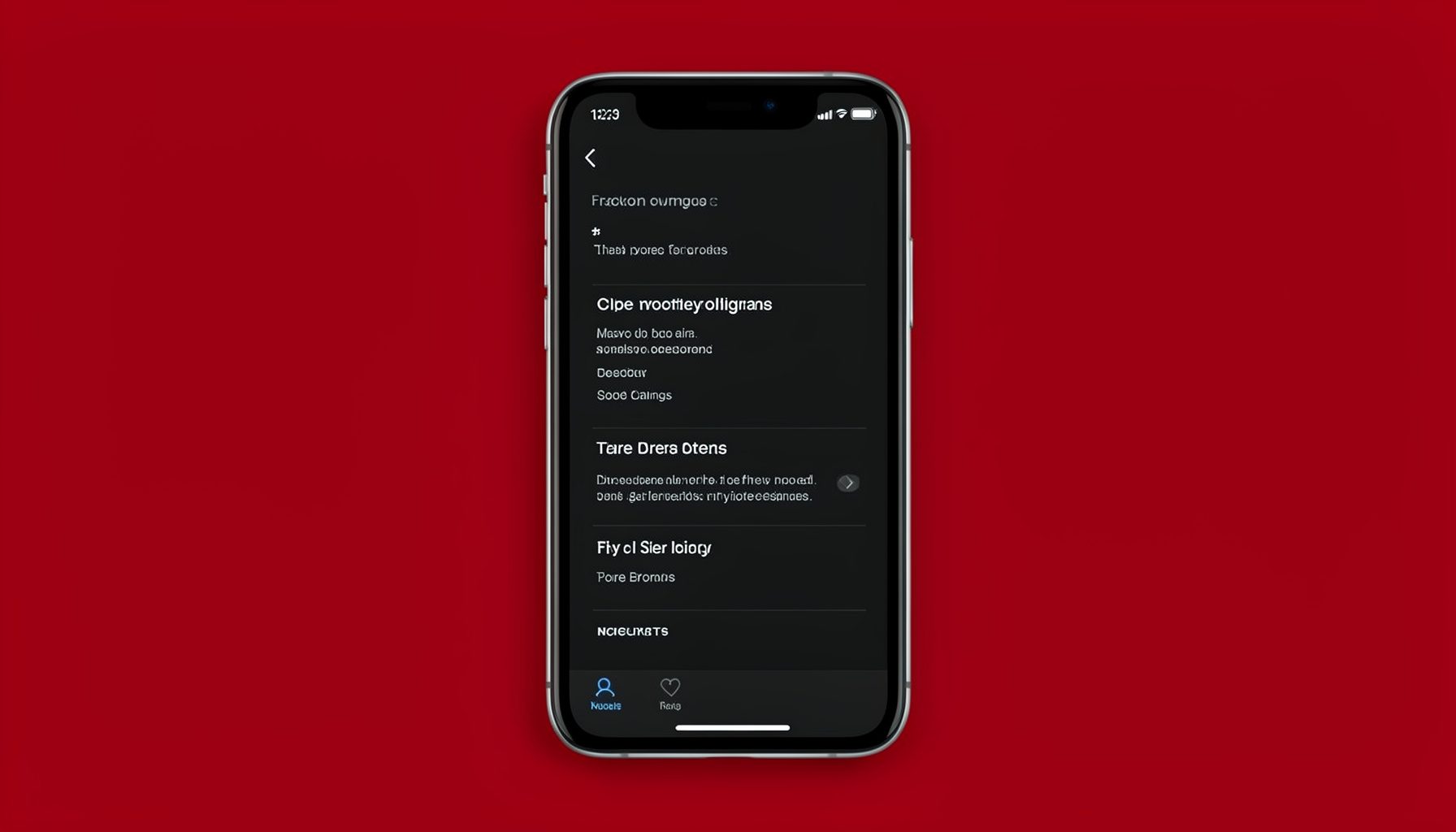
As the San Diego Symphony approached its centennial mark, it turned to mobile technology to promote the upcoming concert season.

Violinist Aaron Rosand parted with his cherished Guarneri instrument in October 2009.
The New York Times Company sold classical radio station WQXR 96.3FM, pending FCC approval.
The New York Times reported on the discovery of a prehistoric flute, pushing back the known origins of music-making.